Academic Sabbatical Travel: 3 Approaches to Shape Your Time Off
When you think about a sabbatical, chances are travel comes to mind – exploring new places, immersing yourself in different cultures, or finally having the time to see the world. Even if you don’t spend the entire year abroad, dreaming about academic sabbatical travel is often part of the fun.
At the same time, sabbatical travel can feel overwhelming. Should you set up shop in one place, bounce between cities, or head into the field for research? How do you balance the professional purpose of sabbatical with the personal pull of exploring new places? And if you have a partner or children in the mix, how do you manage the logistics without losing your mind?
Here’s the good news: academic sabbatical travel doesn’t have to be complicated. Depending on your goals, resources, and sabbatical activities planned, it usually falls into three broad approaches.
1. Visiting Scholar Travel
Some academics spend their sabbatical as a visiting scholar at another university. This might be somewhere you already have connections, or a new institution you’ve been wanting to collaborate with.
A visiting scholar position gives you a home base during sabbatical. That structure can be grounding – office space, library access, a professional network, and colleagues to exchange ideas with – while still offering the flexibility to explore a new part of the world. These positions can vary in formality; some are official university appointments with clear expectations and support, while others are more informal arrangements that simply provide workspace and access to resources for a self-funded scholar.
Imagine a semester in London where weekdays are spent collaborating with colleagues at your visiting institution, and weekends are open for trips to the countryside, Scotland, or even a train ride into Paris. Or you could stay closer to home, working with colleagues at a university in your own region while exploring an area you’ve always wanted to know better.
The visiting scholar approach is especially appealing if you’re traveling with family: the built-in structure and “home base” helps establish routine while still leaving room for local adventures.
2. Research or Data Collection Travel
For many scholars, sabbatical is the best (or only) chance to gather essential data. Maybe your work requires time in a specific archive, conducting interviews, or being on-site for observations. In these cases, your academic sabbatical travel plan will naturally center around your research location.
That doesn’t mean it has to feel narrow. Data collection sabbaticals can be intense, but short breaks often help recharge your energy and enrich your project. One day you might be immersed in observation research, and the next day out hiking a nearby trail to reflect and clear your head for the next round of work.
Some academics build “buffer time” into their research trips – giving themselves at least a week or two before or after the official data collection window to explore nearby regions. This keeps things flexible if schedules shift, but it also makes the sabbatical feel both productive and expansive.
3. Independent Exploration or Writing Sabbatical
Other scholars see sabbatical as a rare chance to step away from routine and immerse themselves in writing, thinking, or creative projects. For these academics, independent sabbatical travel becomes a way of shaping the environment that best supports deep work.
This approach to academic sabbatical travel can be incredibly flexible. I like to think of this as “free agent” sabbatical travel. Some choose a single inspiring location – say, a vibrant city, or a seaside town. Others hop between multiple locations, using each change of scenery to spark fresh ideas. You might even combine extended travel with focused writing sprints: a month of hiking and reflection in Spain followed by six weeks of concentrated drafting in a quiet coastal retreat.
The central idea here is freedom – designing your sabbatical so that your daily life supports both productivity and adventure, however you think it can be best achieved. Of course, this approach requires self-motivation and intentional routine, but for many scholars, that’s one of the biggest benefits of sabbatical.
Sample Scenarios in Vienna, Austria
To help you visualize how these different academic sabbatical travel approaches might take shape, I sketched out an example using Vienna, Austria as a base. A city with a rich music history, Vienna is known for its cafe culture, as well as a wealth of museums; each scenario below intentionally embraces this, but you’ll notice how the schedule would vary a bit based on sabbatical travel type.
This table looks at what a hypothetical week on sabbatical in Vienna might look like, depending on travel type. Below the table, you’ll also find ideas for local things to do, short day trips, and longer weekend excursions.
|
Travel Type |
Monday |
Tuesday |
Wednesday |
Thursday |
Friday |
|---|---|---|---|---|---|
|
Visiting Scholar (e.g., University of Vienna) |
On-campus: writing, collaboration |
On-campus: meetings, library, collaboration |
AM: Off (Cafe Landtmann + old town walk) |
On-campus: meetings, library, collaboration |
AM: Work (Cafe Am Hof) |
|
Research/Data Collection |
Conduct interviews/ observations |
Conduct interviews/ observations |
AM: Interviews PM: Review (Cafe Phil) |
Data collection planning and analysis (home/cafe) |
Off (Schonbrunn Palace and Zoo) |
|
Independent Writing/Exploration |
AM: Work (home) |
AM: Work (home) |
Off (museums + Naschmarkt) |
AM: Work (home) |
AM: Work (home) |
Local/Weekend Activities
In Vienna: Walks or jogs along the Danube canal, Ringstrasse, or the Schonbrunn gardens; Vienna State Opera; museums (Albertina, Belvedere, Kunsthistorisches, etc.); shopping street stroll (Mariahilferstrasse) or local markets; cafe culture; traditional Viennese restaurants
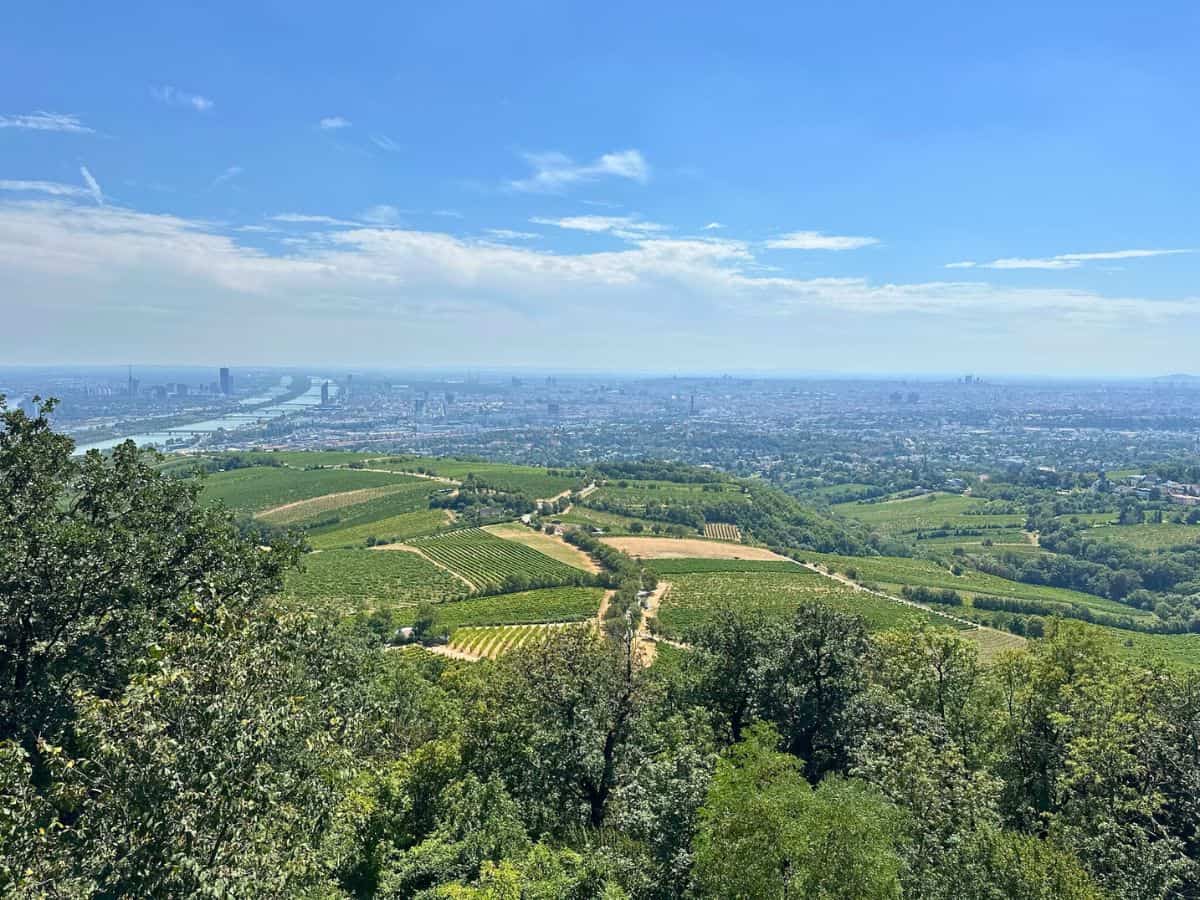
Easy day trips (1-2 hours): Wachau Valley, Vienna Woods (Kahlenberg + wineries), Melk (Abbey), Bratislava cruise, Central Cemetery (resting place of Beethoven, Schubert, Strauss, etc.)
Long weekend trips (3-5 hours): Salzburg, Innsbruck, Graz, Budapest, Munich, Prague (all by train)… or a quick nonstop flight to dozens of European cities
Bringing it Together
In reality, academic sabbaticals often blend elements of these three travel approaches. You might spend part of your time as a visiting scholar, carve out stretches for independent writing, or layer in research and observation trips – all while exploring your surroundings.
Because sabbatical plans often evolve, you don’t need to have every travel detail finalized when preparing your proposal, but it’s helpful to indicate whether your sabbatical will involve travel and, if possible, what type. Including this shows thoughtfulness and strengthens your sabbatical pitch.
I hope the Vienna example has sparked ideas for how you’d like your weekly sabbatical rhythm to feel, whether it’s structuring your days, planning local adventures, or mapping longer weekend trips. Remember: there’s no single “right” way to travel on sabbatical – the key is to align your approach with your personal and professional goals.
Ready to start planning your sabbatical travel, but not sure where to begin?
Book a focused session where we can review your goals and map out a clear plan, so you leave with clarity and actionable next steps. You can also schedule a free consultation call to explore how my services can support your ideal sabbatical.